

The Visibility Momentum Effect: Turning Repeated Outdoor Exposure into Stronger Brand Presence??
Outdoor advertising becomes more powerful when visibility is not limited to a single encounter. The…


Outdoor advertising becomes more powerful when visibility is not limited to a single encounter. The…
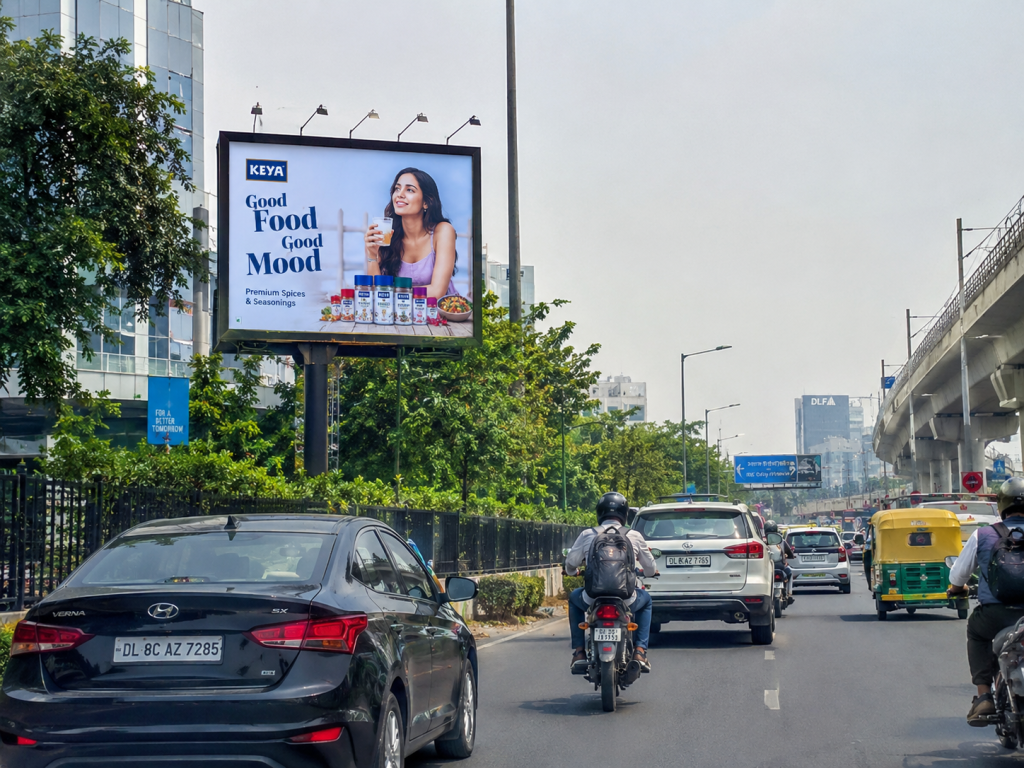
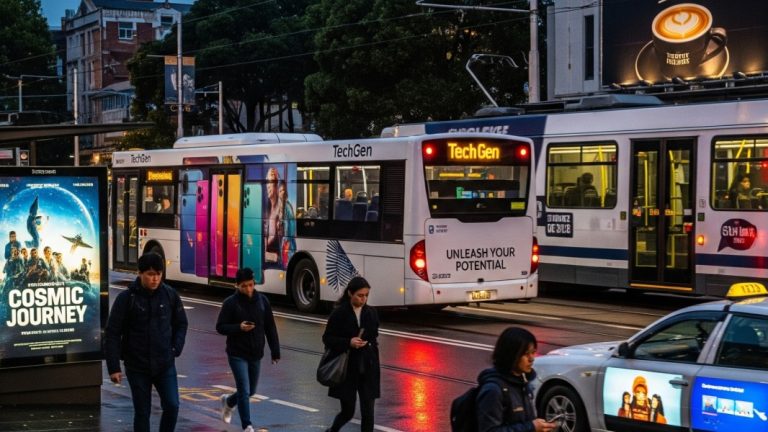
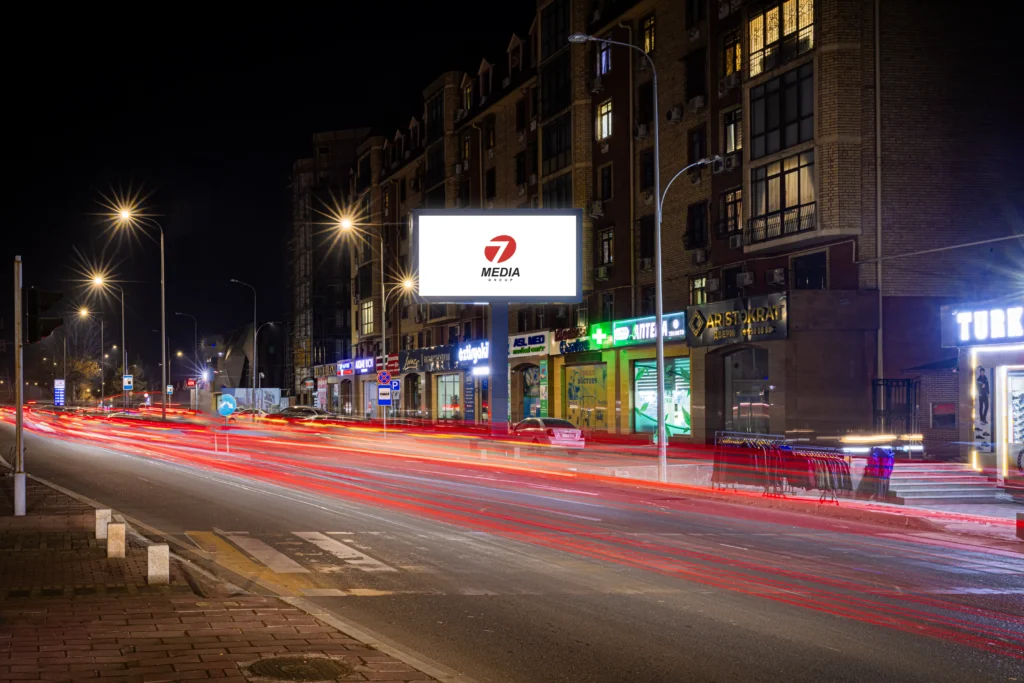
A busy street offers brands more than visibility—it creates repeated opportunities to be noticed. The…
Outdoor advertising does not always need to compete for attention through size alone. Sometimes, where…
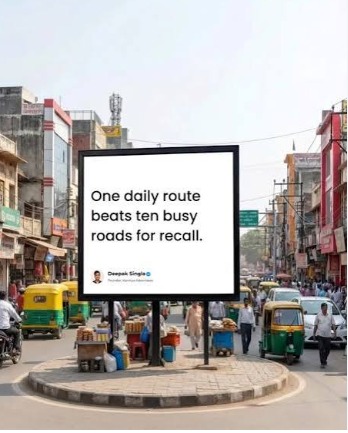
Outdoor advertising becomes more powerful when consumers encounter a brand consistently across different points of…

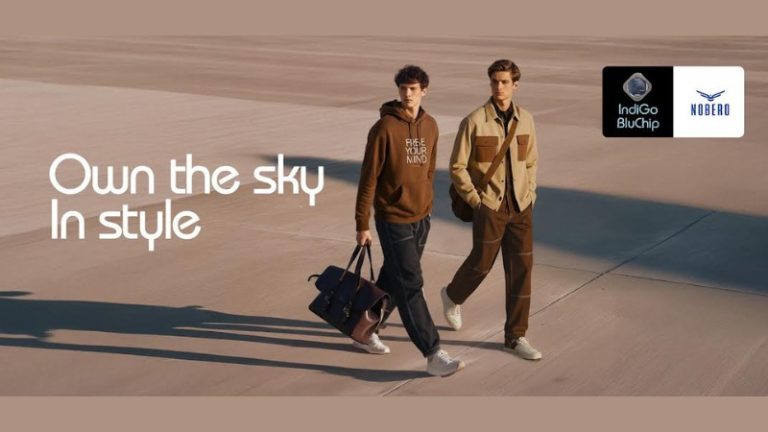
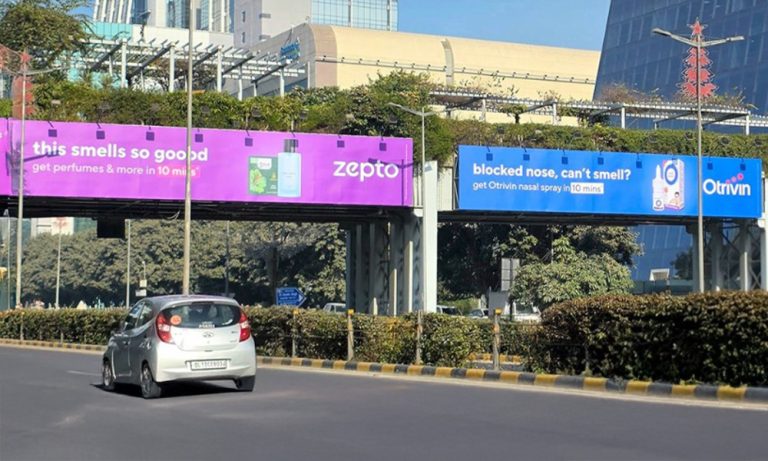
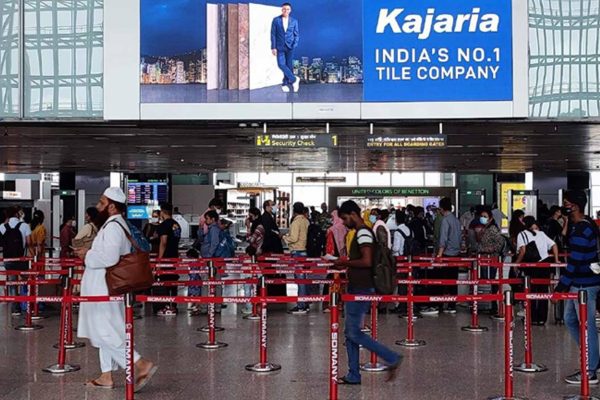
Outdoor advertising becomes more powerful when visibility is not limited to a single encounter. The Visibility Momentum Effect describes how repeated exposure across strategic outdoor locations can gradually strengthen brand familiarity and presence. When consumers repeatedly see the same brand during their daily journeys, the communication can become a recognisable part of their surroundings. Building…
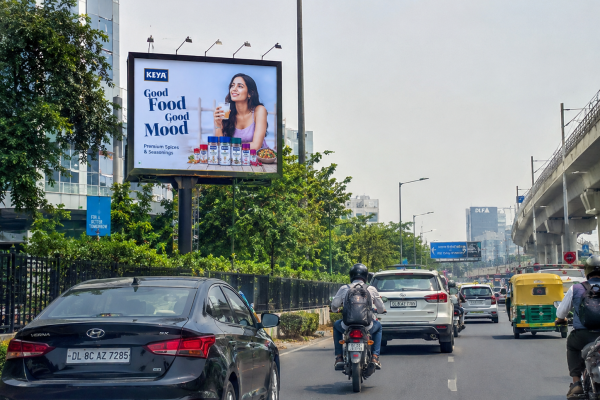
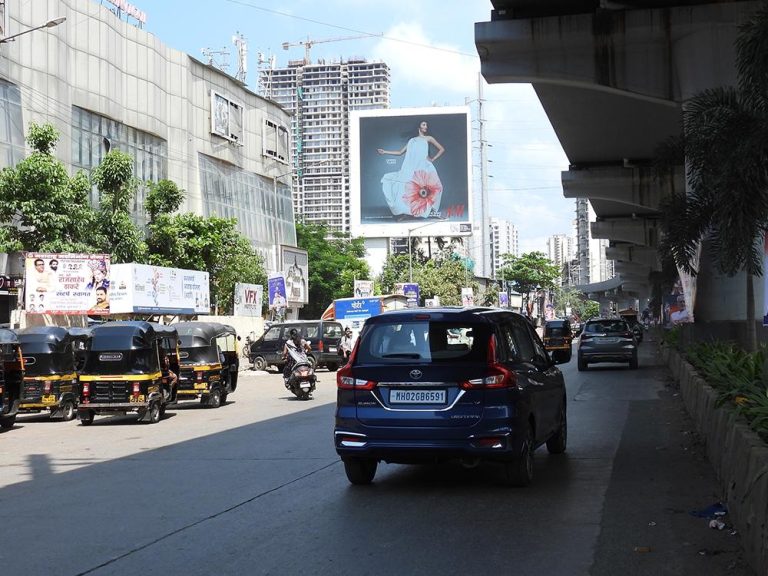
A busy street offers brands more than visibility—it creates repeated opportunities to be noticed. The Street Signal Effect explains how well-positioned OOH advertising can become a familiar visual cue within everyday urban journeys. When creative communication meets high-traffic locations, the brand can naturally become part of the surrounding environment. Turning Everyday Streets into Brand Touchpoints…
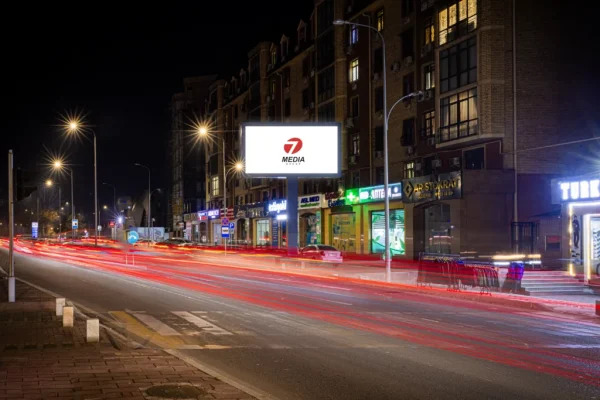
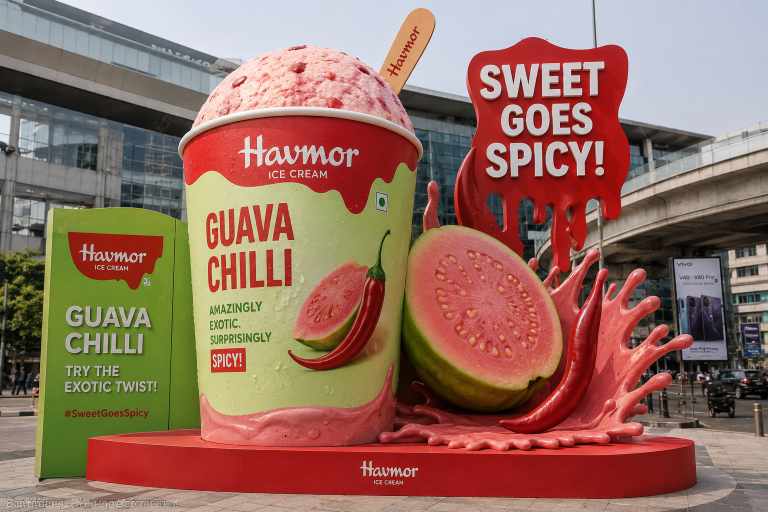
Outdoor advertising does not always need to compete for attention through size alone. Sometimes, where and how a brand appears can create a stronger reaction. The Urban Encounter Effect explores how unexpected OOH placements can interrupt routine journeys and create memorable moments of brand exposure. When an advertisement appears in an environment where consumers do…
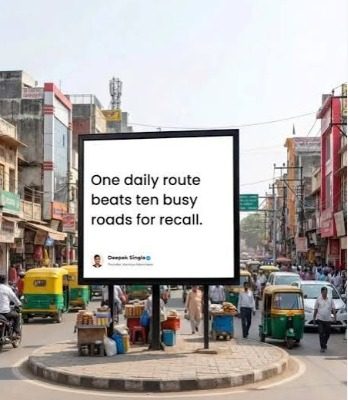
Outdoor advertising becomes more powerful when consumers encounter a brand consistently across different points of their daily journey. The Visual Continuity Effect describes how maintaining a recognisable brand presence across multiple OOH touchpoints can help create familiarity and strengthen visual recognition. Instead of depending on one billboard or one isolated placement, brands can build a…
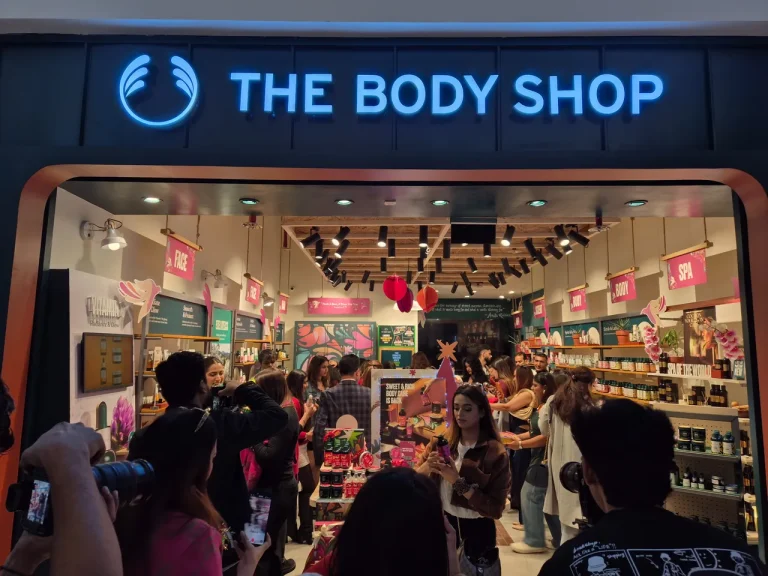
Building Visibility Before the Store Visit A consumer’s interaction with a brand does not necessarily begin at the store entrance. It can start several kilometres earlier—on the road, near a junction, outside a metro station or along a familiar neighbourhood route. This is where local outdoor advertising creates an important opportunity. By placing brand communication…
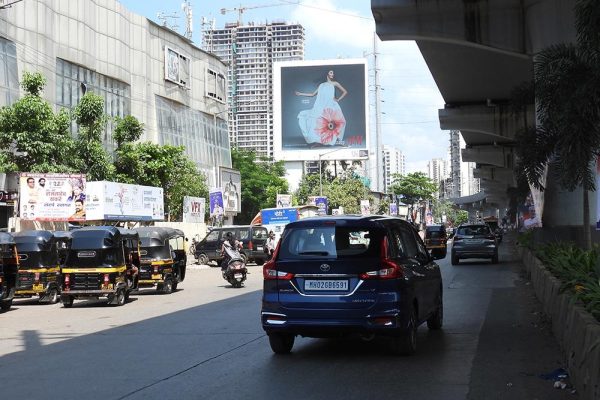
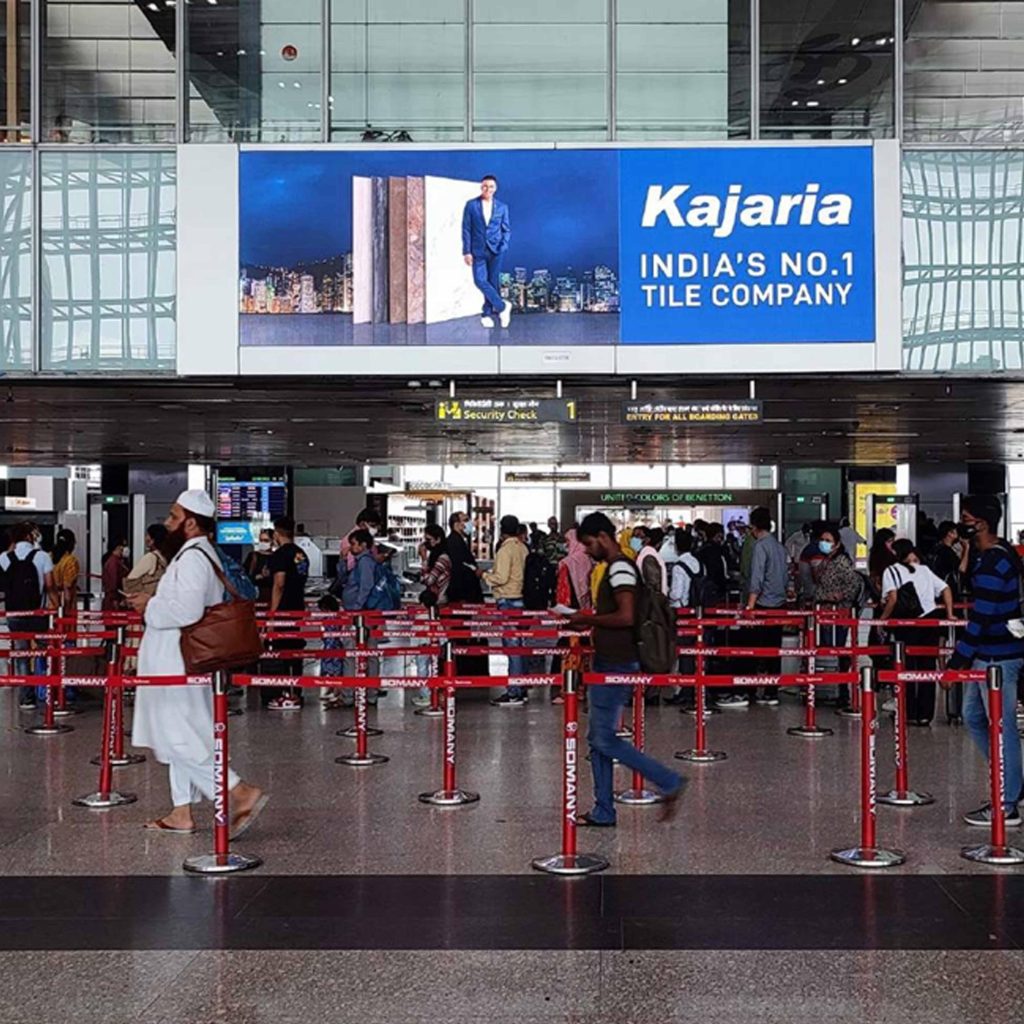
Urban consumers are constantly moving—from homes to offices, stores to malls, stations to airports. Yet within this movement are small moments when people naturally slow down or stop. Traffic signals, transit platforms, waiting areas, entrances and pickup zones create these valuable pauses. For outdoor advertising, these moments offer an opportunity to communicate without demanding that…
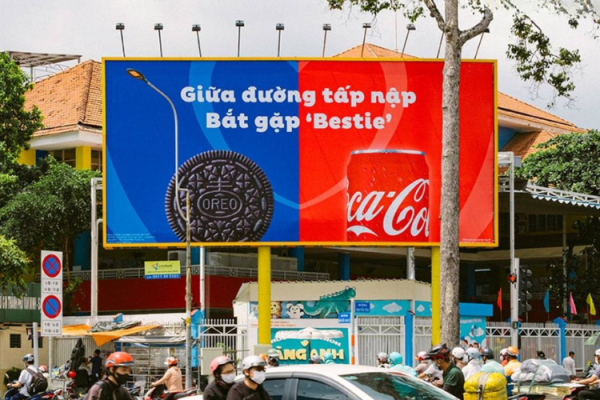
Outdoor advertising becomes more powerful when different formats work together rather than functioning as isolated media placements. A billboard may establish the main campaign message, while a metro, bus, cab or DOOH screen can reinforce the same communication in another environment. The Media Layering Strategy is built around this coordinated approach. Instead of asking one…
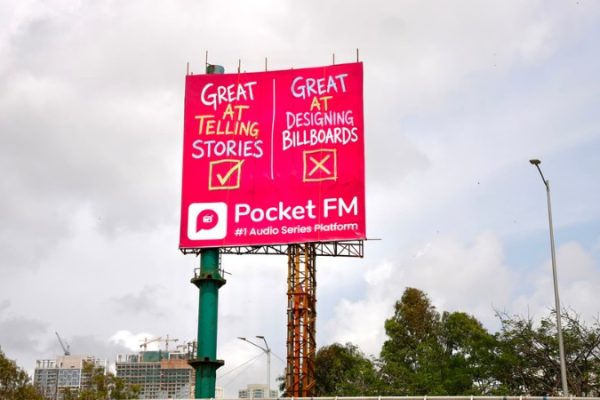
Outdoor advertising has the unique ability to occupy the same physical spaces people experience every day. Unlike digital advertisements that disappear with a scroll, a strategically positioned billboard, building wrap, unipole or large-format installation can remain visible within the urban environment for an extended period. The Urban Landmark Strategy uses this physical characteristic to give…
Consumers experience brands across multiple environments every day. They see advertisements on their phones, watch videos, browse social media and interact with brands online. Outdoor advertising adds another important dimension by bringing the brand message into the physical spaces where people actually live and move. Billboards, transit advertising, mall branding, street furniture and other OOH…
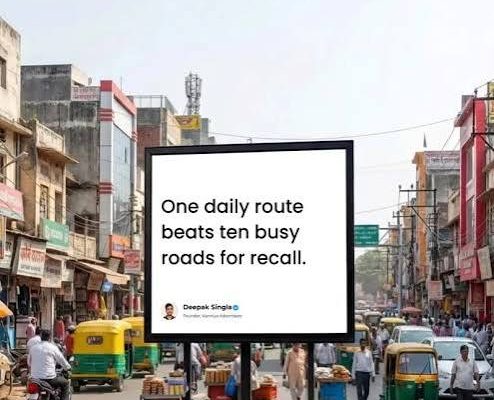
Outdoor advertising has a unique advantage because it reaches people while they are already moving through their daily routines. A billboard on a regular commute, a branded transit format near a busy junction, or an impactful display along a popular retail route can become a familiar visual presence. Unlike communication that requires consumers to actively…